


Acrylic Signage South Africa: Dominating Office Branding
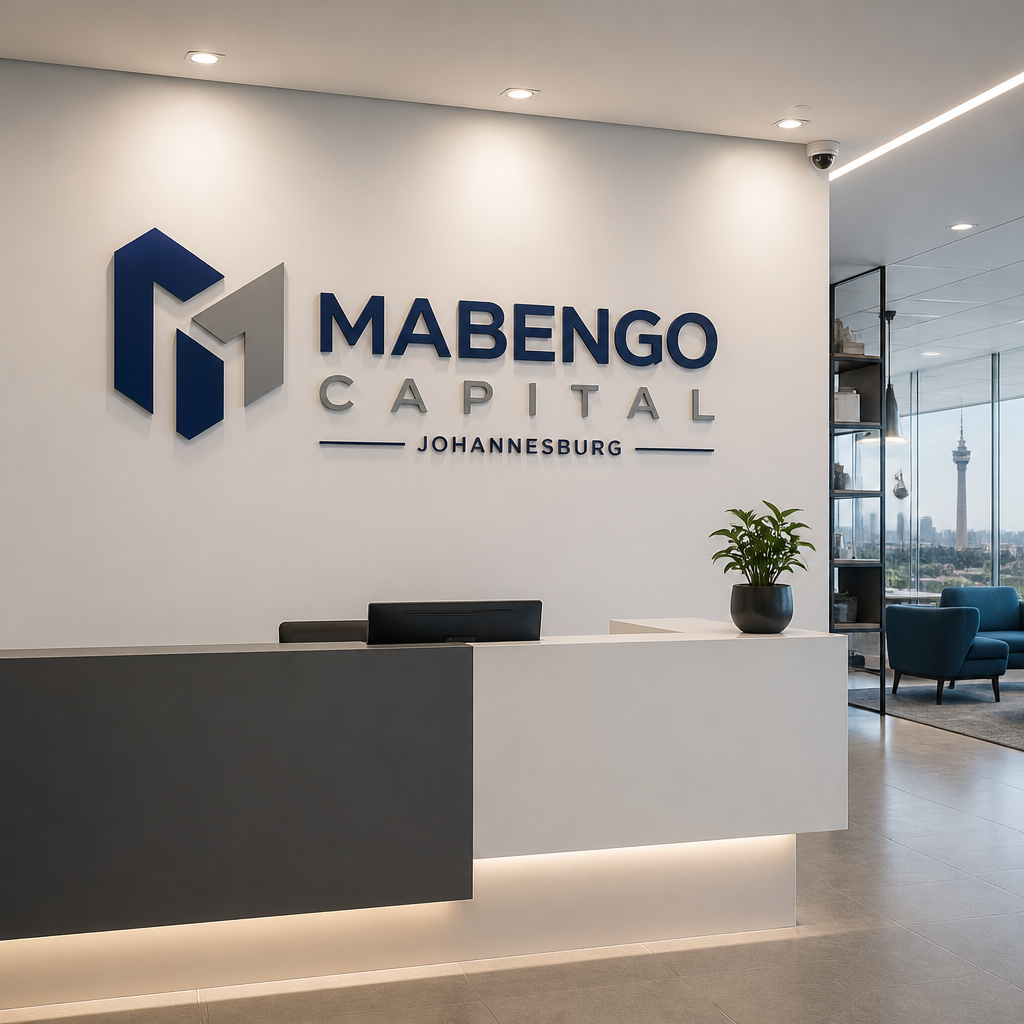
Walk into any well-branded corporate office in Johannesburg or Pretoria and you will almost certainly see it: a clean, dimensional logo mounted to the reception wall, its edges crisp, its finish unmistakably premium. That is acrylic signage at work. Acrylic signage South Africa has become the default material of choice for corporate fit-outs, franchise rollouts, and high-footfall retail environments, and there are very clear reasons why. This article breaks down exactly what makes acrylic dominate modern office branding, which formats perform best for specific environments, and what you need to know before commissioning a set of signs for your space.
Table of Contents
- Quick Takeaways
- Why Acrylic Dominates Office Branding in South Africa
- Acrylic Sign Types for Corporate and Retail Spaces
- Acrylic vs. Other Signage Materials: A Direct Comparison
- Corporate Identity Compliance and Franchise Rollouts
- Custom Acrylic Signs in Gauteng: What to Expect
- Common Mistakes to Avoid When Ordering Acrylic Office Signs
- Frequently Asked Questions
- References
Quick Takeaways
| Key Insight | Explanation |
|---|---|
| Acrylic is the go-to material for reception branding | Its combination of dimensional depth, premium finish, and colour accuracy makes it the most professional-looking option for lobby and boardroom walls. |
| LED backlighting multiplies visual impact without adding bulk | Backlit acrylic signs create a halo glow that reads as premium lighting design, not just signage, making them effective in low-light or feature-wall applications. |
| Acrylic maintains colour integrity longer than vinyl indoors | Indoor acrylic signs can last a decade or more with minimal fading, making them a sound long-term investment compared to printed vinyl. |
| Franchise networks rely on acrylic for CI consistency | Acrylic can be CNC-cut and colour-matched to Pantone standards across multiple sites, which is critical for franchise corporate identity compliance. |
| Standoff mounting adds professional depth at low cost | Spacer standoffs lift acrylic panels off the wall, creating shadow lines that add a three-dimensional quality without requiring full 3D fabrication. |
| Frosted and clear acrylic serve different spatial roles | Frosted finishes work well for privacy glass and partition branding; clear acrylic with digital printing is better for colour-rich logo displays. |
| Acrylic is lighter than glass or metal for equivalent formats | This reduces installation complexity and load requirements, which matters for plasterboard walls common in modern office fit-outs. |
Why Acrylic Dominates Office Branding in South Africa
The short answer is that acrylic does more jobs well than any other signage material at a comparable price point. It is rigid enough to hold dimensional shape, light enough to mount on almost any surface, and its optical clarity means printed colours stay vivid and true to brand specifications. For a corporate environment where first impressions carry real commercial weight, that combination is hard to beat.
There is also a practical South African context here. Offices across Gauteng deal with intense sun exposure through large glazed facades, and quality acrylic grades are UV-stable, meaning they resist yellowing and surface degradation even in spaces with significant natural light. This is not a minor point: a reception sign that yellows within three years reflects poorly on the business it represents.
Beyond durability, acrylic offers something that vinyl and print-on-substrate solutions cannot replicate: genuine physical depth. A 10mm or 20mm acrylic logo mounted with standoffs creates a shadow line that reads as architectural detail, not just applied graphics. That distinction matters enormously in corporate environments where visitors are making rapid judgements about the professionalism of the business they are entering.
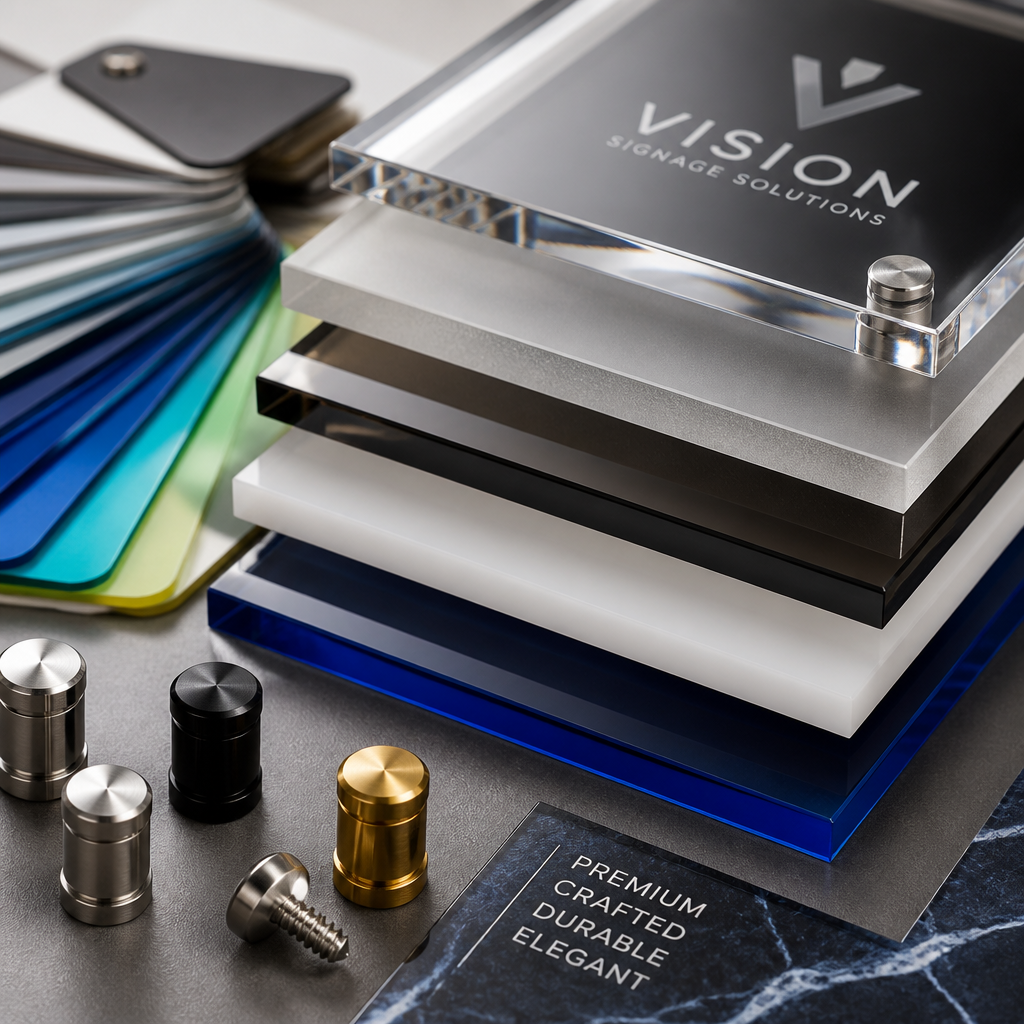
The material is also highly versatile in terms of finish options. You can specify gloss, matte, frosted, mirrored, or opal acrylic depending on the ambient lighting conditions and the brand palette you are working with. This range of finish options means a single material type can serve consistently across a reception wall logo, a boardroom nameplate, wayfinding panels, and interior partitions, keeping the visual language coherent throughout a space.
Pro tip: If your office uses warm tungsten lighting rather than cool LED panels, specify a slightly warmer white acrylic for your signs. Standard bright-white acrylic can look clinical or slightly blue under warm light, which undermines the premium feel you are paying for.
Acrylic Sign Types for Corporate and Retail Spaces
Not all acrylic office signs are the same product. The format you choose should be driven by where the sign will live, what it needs to communicate, and how much ambient light it needs to compete with.
3D Raised Acrylic Letters and Logo Cutouts
This is the most common format for reception walls and building entrance branding. Letters and logo shapes are CNC-cut or laser-cut from acrylic sheet, then either painted, vinyl-wrapped, or left in the natural colour of the sheet. They are mounted directly to the wall or on standoffs for depth. The result is a sign that looks dimensional and substantial, with none of the weight penalty of metal fabrications.
For franchises and corporate networks, this format is particularly useful because the production process is highly repeatable. Once the cut files are finalised to corporate identity specification, the same sign can be produced consistently across dozens or hundreds of locations.
Backlit and LED-Illuminated Acrylic Panels
Backlit acrylic panels use an LED light source behind an opal or frosted acrylic face to create an evenly lit, glowing effect. This format is well-suited to reception areas, restaurant entrance branding, hotel lobbies, and any environment where the sign needs to perform in variable or low ambient light. The key advantage is that the illumination itself becomes part of the brand statement: a backlit logo communicates investment and permanence in a way that an unlit sign simply cannot.
Edge-lit acrylic is a related but distinct format where LEDs are positioned along the edge of the panel and light is conducted through the material to engrave or print elements. This works best for signage with fine detail in controlled lighting environments, such as boardroom walls or executive office doors.
Frosted Acrylic for Partitions and Glass Branding
Frosted acrylic cut-outs or panels are frequently used in office environments to brand glass partitions and meeting room screens. The semi-opaque quality adds privacy while keeping the space feeling open. Combined with a company logo or a bold typographic element, frosted acrylic panel branding is one of the most cost-effective ways to elevate an open-plan office interior.
Acrylic Menu Boards and Information Signs
For hospitality clients, restaurants, and hotels, acrylic is the standard choice for menu displays, room signage, and directional wayfinding. The material can be digitally printed, engraved, or fitted with interchangeable inserts, making it practical for environments where information changes regularly while the structural sign remains in place.
Acrylic vs. Other Signage Materials: A Direct Comparison
Choosing the right material requires understanding the real trade-offs, not just accepting the cheapest quote. Below is a direct comparison of acrylic against the two most common alternatives for corporate and retail environments in South Africa.
| Feature | Acrylic (Perspex) | Vinyl / Printed Graphics | Aluminium / Metal |
|---|---|---|---|
| Visual depth and dimensionality | High (3D letters, standoffs, layering) | Flat (no physical dimension) | High (but heavier and more expensive) |
| Indoor lifespan | 10+ years with minimal degradation | 3-5 years before fading or peeling | 15+ years (exterior-grade) |
| Colour matching to CI standards | Excellent (Pantone-matched sheet or print) | Good (print-dependent) | Excellent (powder coat or anodise) |
| Weight and installation complexity | Light, easy to mount on most wall types | Very light, adhesive-applied | Heavy, may require reinforced fixings |
| LED illumination compatibility | Excellent (backlit, edge-lit, halo) | Not applicable | Good (halo-lit channel letters) |
| Cost for corporate reception signage | Mid-range to premium | Budget to mid-range | Premium |
| Best suited for | Reception walls, offices, retail, hospitality interiors | Temporary campaigns, windows, vehicles | Exterior building signage, pylon signs |
The practical takeaway here is clear: vinyl is the right call for temporary or campaign-driven work, metal is the right call for exterior applications that need to outlast extreme weather, and acrylic is the right call for the vast majority of permanent interior corporate branding applications. Trying to use vinyl as a long-term office branding solution is a false economy, because you will be replacing it well before the fit-out itself needs refreshing.
The material choice you make for your reception signage communicates something about your business before a single word is spoken. Acrylic signals precision and investment. Peeling vinyl signals the opposite.
Pro tip: When comparing quotes for office signage, always ask for the acrylic grade and thickness specified. Budget suppliers often use thinner sheet (3mm where 10mm is appropriate, or extruded acrylic where cast acrylic is needed) and the difference in quality is immediately visible once the sign is on the wall.
Corporate Identity Compliance and Franchise Rollouts
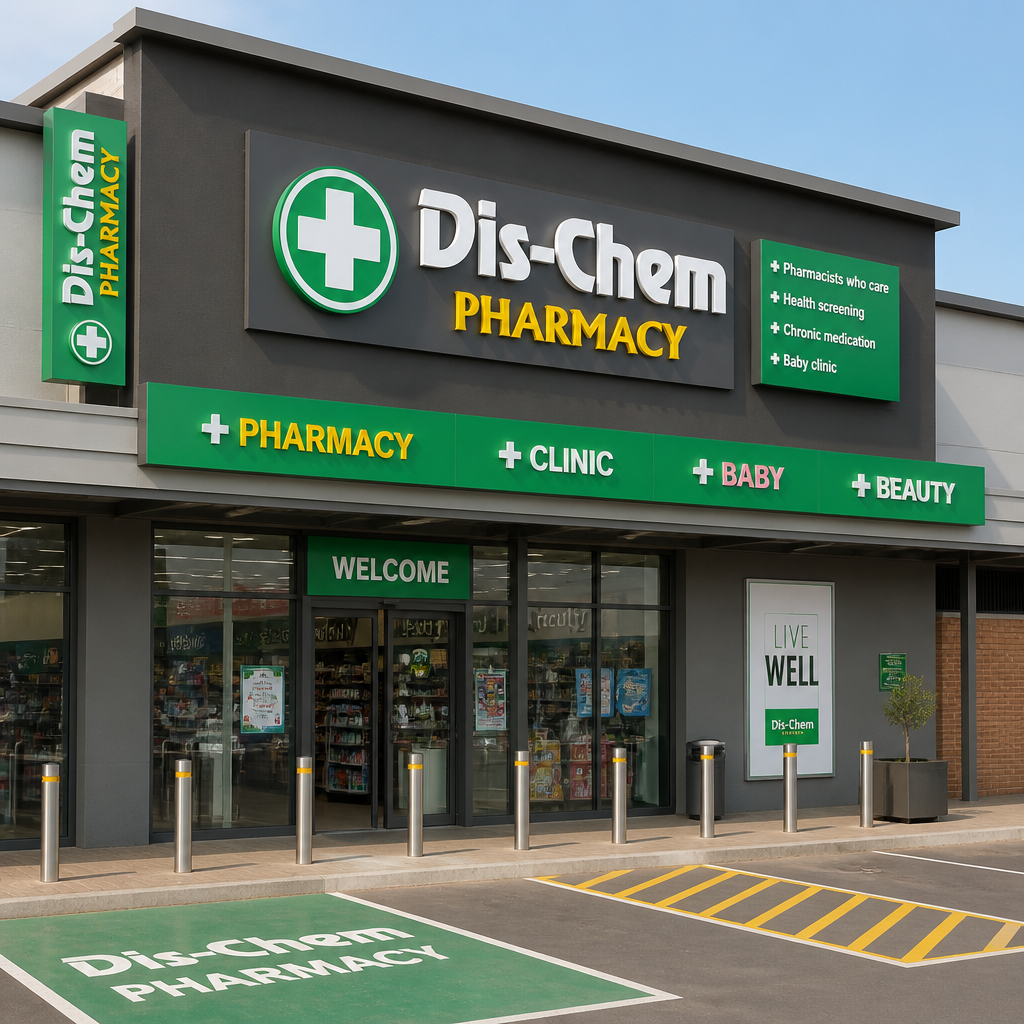
For franchise networks and multi-site corporate businesses, signage is not a decorative choice. It is a brand governance requirement. A franchisee in Polokwane and one in Sandton need to present an identical visual identity to customers, and the material, finish, and dimensional specifications of their signage are part of that contract.
Acrylic is the dominant material in franchise signage rollouts across South Africa for a straightforward reason: it is highly consistent in production. CNC cutting and digital printing on acrylic are controlled processes. Once the cut files and colour specifications are signed off against the franchisor's corporate identity manual, every subsequent unit produced should be essentially identical. That repeatability is not achievable with hand-applied vinyl or painted substrates at the same level of quality control.
What a CI-Compliant Acrylic Sign Specification Looks Like
A proper corporate identity sign specification for a franchise or multi-site corporate will typically define acrylic thickness (often 10mm or 20mm for 3D letters), finish type (gloss, matte, satin), Pantone colour references for both the substrate and any applied finish, mounting method (flush, standoff distance, stud spacing), and the specific font and geometry of cut-out elements. Without this level of detail in the brief, different sign suppliers across different regions will produce inconsistent results, and the brand suffers for it.
SignShopper works directly with corporate identity guidelines to ensure that every acrylic sign produced matches the brand standards of the commissioning business, whether that is a single flagship office or a national franchise network across South Africa and neighbouring markets including Botswana, Zimbabwe, and Mozambique.
Custom Acrylic Signs in Gauteng: What to Expect
Gauteng is the commercial hub of South Africa, and the demand for custom acrylic signs in Gauteng reflects the density of corporate activity across Johannesburg, Pretoria, Midrand, and Sandton. If you are commissioning acrylic office signs in this region, here is what the process typically looks like when working with an experienced signage provider.
The Design-to-Installation Process
A professional signage supplier will begin with a design brief that captures your brand guidelines, the physical dimensions of the installation space, and the lighting conditions. From that brief, production artwork is developed, which you approve before fabrication begins. Fabrication for a standard set of acrylic reception signs, including a wall logo and supporting wayfinding panels, typically takes several business days depending on complexity and finishing requirements.
Installation is not an afterthought. The mounting method matters as much as the sign itself. Standoffs need to be correctly spaced and levelled, fixings need to be appropriate for the wall substrate (plasterboard, concrete, or tile all require different approaches), and wiring for any LED elements needs to be neatly concealed. A sign that is slightly off-level or has visible cable runs immediately undercuts the premium impression you paid for.
Rental Signage Options for Events and Temporary Offices
Not every Gauteng-based business needs permanent signage. Exhibition stands, pop-up retail environments, and temporary event venues often need branded acrylic signs that look permanent but are only in place for days or weeks. SignShopper offers rental signage solutions that give businesses professional-grade acrylic signage for these applications without the capital cost of outright purchase, which is a practical option for event venues, trade shows, and seasonal retail setups.
Pro tip: For exhibition or event acrylic signage, specify standoff mounting rather than adhesive backing so the signs can be removed and reused without damage. It costs marginally more to produce but pays for itself after a single reuse.
Common Mistakes to Avoid When Ordering Acrylic Office Signs
Even experienced procurement managers make avoidable errors when briefing signage suppliers. These are the most common mistakes and how to avoid them.
Specifying Size Without Considering Viewing Distance
A sign that looks bold on a mood board can disappear on a large wall if the proportions are not calibrated to the actual space. For a standard corporate reception area with a 4-6 metre wide feature wall, a logo sign under 1.2 metres wide will typically look undersized. Always request a scaled visual that shows the sign in the context of the actual wall dimensions before approving production.
Ignoring the Background Wall Finish
Acrylic signage does not exist in isolation. A gloss white logo on a gloss white painted wall will have minimal visual contrast and the standoff shadow will be the only differentiating element. Consider specifying a contrasting wall finish or a feature panel behind the signage zone to give the sign the backdrop it needs to perform visually.
Approving Artwork Without Checking Print Colour Against Physical Samples
Screen-to-print colour translation is never perfectly reliable. A brand red that looks correct on your monitor may print cooler or warmer on acrylic depending on the substrate colour and the print process. For brand-critical applications, always request a physical sample or a Pantone colour match confirmation before approving full production, particularly for franchise CI-compliant work.
Choosing Price Over Grade
There is a meaningful quality difference between cast acrylic and extruded acrylic, between 3mm and 10mm sheet, and between UV-stable and standard grades. The cheapest acrylic sign quote almost always involves a compromise in one of these dimensions. For a sign that will represent your business for the next decade, specifying a premium grade is not an optional upgrade. It is the correct specification from the outset.
Frequently Asked Questions
What is acrylic signage and why is it used in offices?
Acrylic signage refers to signs manufactured from PMMA (polymethyl methacrylate) sheet, commonly known as Perspex. It is used in offices because it combines a premium aesthetic with dimensional depth, colour accuracy, and long indoor lifespan, making it the most practical material for reception logos, wayfinding panels, boardroom nameplates, and interior branding elements.
How long do acrylic office signs last?
Indoor acrylic signs produced from quality UV-stable cast acrylic can last a decade or more with minimal fading or surface degradation. Longevity depends on the acrylic grade specified, the quality of any applied finishes or digital printing, and whether the sign is exposed to direct sunlight through glazed facades. A properly specified indoor acrylic sign should not require replacement within the standard lifecycle of an office fit-out.
Can acrylic signs be produced to match our exact brand colours?
Yes. Acrylic sheet is available in a wide range of standard colours, and digital printing on acrylic allows for Pantone-matched colour reproduction. For corporate identity-critical applications, specify your Pantone reference colours clearly in the brief and request a physical colour sample confirmation before approving production. This is particularly important for franchise rollouts where colour consistency across multiple sites is a brand governance requirement.
What is the difference between backlit and edge-lit acrylic signs?
Backlit acrylic signs use LED strips positioned behind an opal or frosted acrylic face panel to create an evenly glowing illuminated effect, ideal for reception walls and brand feature installations. Edge-lit signs position LEDs along the edge of a clear acrylic panel, with light conducted through the material to illuminate engraved or printed elements. Edge-lit signs create a more subtle, fine-detail effect and are better suited to lower-ambient-light environments like boardrooms and executive offices.
Do acrylic signs require much maintenance?
Acrylic office signs require minimal maintenance. The surface can be cleaned with a soft, damp cloth and a mild detergent. Avoid abrasive cleaners or cloths, which can scratch the surface. For LED-illuminated signs, the LED modules themselves have very long operational lifespans and rarely require replacement within the expected service life of the sign.
Can SignShopper produce acrylic signs for multiple office locations across South Africa?
Yes. SignShopper provides signage solutions nationally and across neighbouring markets including Botswana, Zimbabwe, and Mozambique. For franchise networks and multi-site corporate clients, a consistent production specification is established upfront so that signs produced for different locations maintain identical material, finish, and dimensional standards in line with the corporate identity guidelines.
What is the typical lead time for custom acrylic office signs in Gauteng?
Lead times vary depending on the complexity of the sign, the number of units, and current production schedules. A standard set of acrylic reception signs, including a wall logo and wayfinding panels, generally moves from approved artwork to installation-ready product within a few business days for straightforward jobs. More complex commissions involving multiple sites, illumination, or intricate fabrication will take longer. Confirm the specific timeline with your signage supplier at the point of briefing, not after artwork approval.
If you have recently commissioned acrylic office signs for your business or franchise, we would love to hear what specification decisions made the biggest difference to the final result.
We would love your feedback and any insights you would share with others. What perspective would you add?
References
- Overview of acrylic office wall sign properties, durability, and mounting options
- Detailed comparison of acrylic signs against vinyl, glass, wood, and metal for business use
- Laser-cut sign material comparison covering acrylic, metal, and wood for professional environments
- Custom 3D acrylic sign board specifications and business branding applications in South Africa
- Guide to signage types for South African businesses including acrylic wall branding and 3D reception logos